
IMF backs Ghana’s economy but says don’t relax on spending
Fund says progress is solid, but discipline is key after programme ends in 2026
Nelson Emmanuel
April 17, 2026 • 2 min read
AI Smart Brief
Get a quick 3-point summary of this article powered by Gemini.
The International Monetary Fund (IMF) is feeling positive about Ghana’s economic direction as the country prepares to exit its support programme in August 2026. But there’s a clear warning: don’t get too comfortable—fiscal discipline still matters.
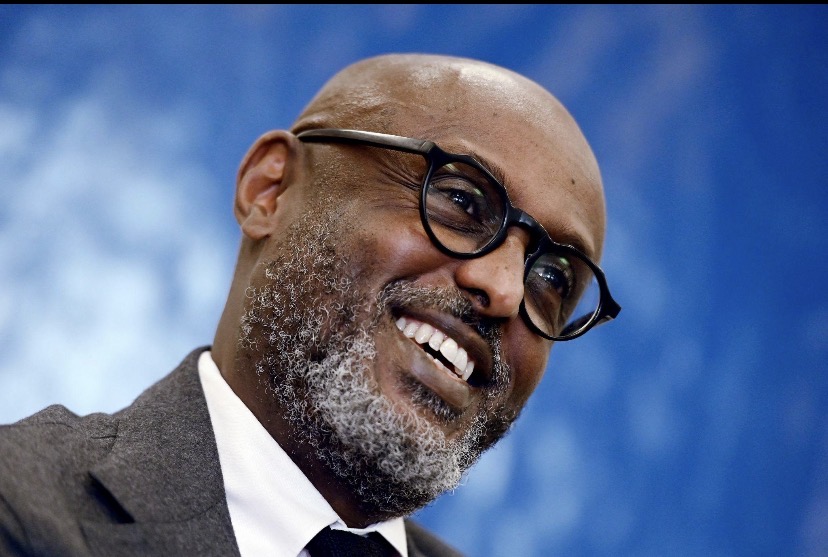
Speaking in Washington, D.C. during the Africa Economic Outlook release, Abebe Aemro Selassie said Ghana has made serious progress over the past three years. According to him, the reforms introduced under the programme are already reshaping the economy in a good way.
Still, he made it clear that the real test starts after the programme ends. Ghana needs to strike a balance—keep pushing development while avoiding the kind of spending problems that led to the crisis in the first place.
Selassie also stressed that the responsibility doesn’t sit with the IMF. He pointed to the government, private sector, and citizens as the ones who must stay on track moving forward.
Meanwhile, IMF Managing Director Kristalina Georgieva revealed the Fund is looking at a possible $20 billion to $50 billion support package for countries affected by tensions in the Middle East. Early signs show African and low-income countries could be hit the hardest.
On Ghana specifically, the country’s $3 billion Extended Credit Facility deal—secured in May 2023—has been largely on track. About $2.8 billion has already been disbursed after the fifth review.
The IMF says Ghana met all key performance targets for mid-2025 and completed major steps like auditing government payables, cleaning up taxpayer records, and submitting the 2026 budget in line with programme goals.
There’s been mixed progress on structural reforms though. Some targets were met, others delayed, and a few missed—but overall, the IMF still sees the programme as broadly satisfactory.
To wrap things up properly, the IMF has extended Ghana’s programme by three months to August 16, 2026. According to Adrian Alter, the extension isn’t a big deal—it’s just to allow time to review full 2025 data and early 2026 performance before closing the chapter.
Comments (0)
No comments yet. Be the first to share your thoughts!


