Nearly 300 Ghanaians Evacuated From South Africa Amid Rising Anti-Immigrant Protests
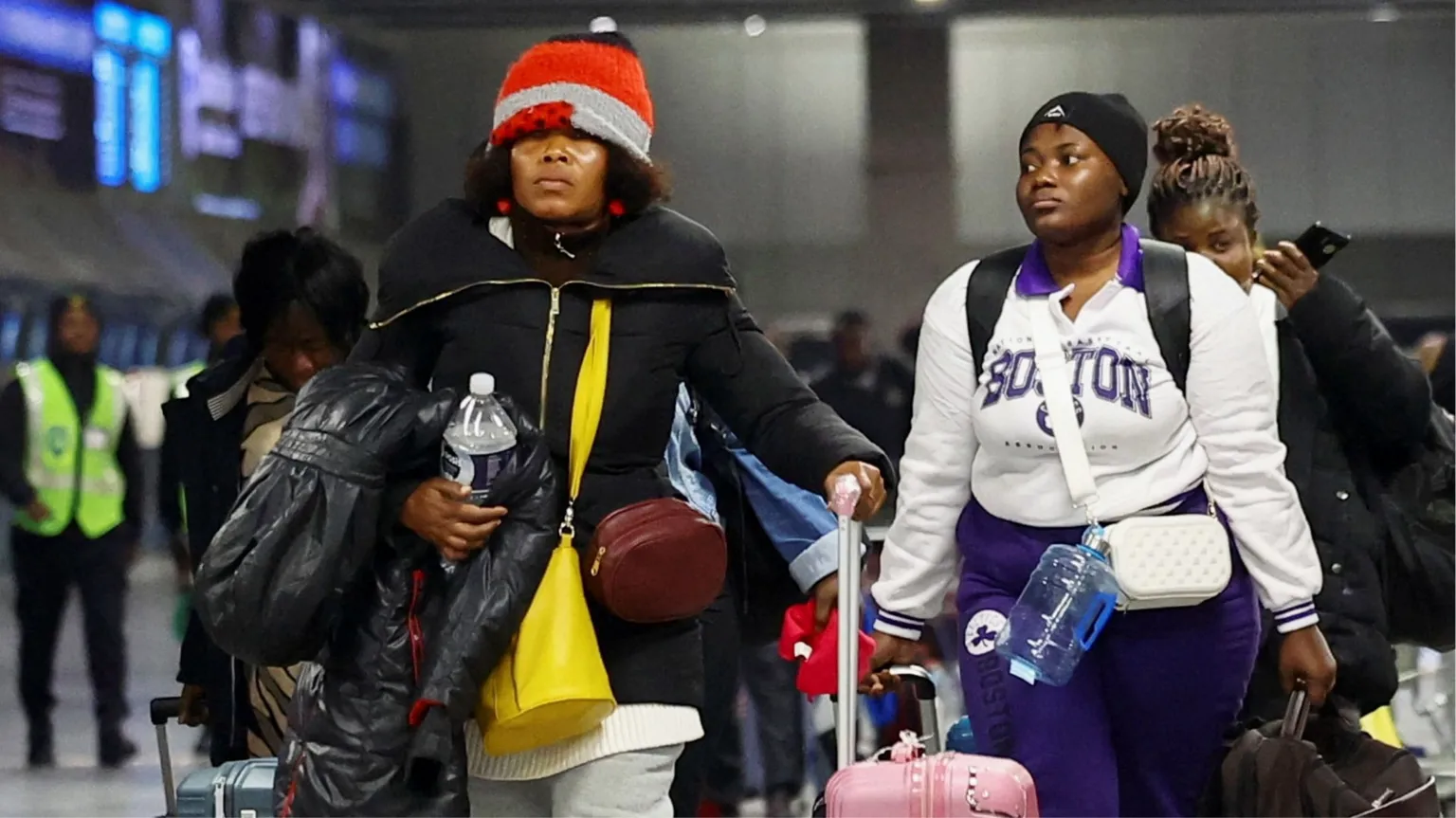
The first group of Ghanaians evacuated from South Africa due to rising anti-immigrant protests has departed Johannesburg, with nearly 300 citizens on board.

Yeboah Joseph
May 27, 2026 • 2 min read
AI Smart Brief
Get a quick 3-point summary of this article powered by Gemini.
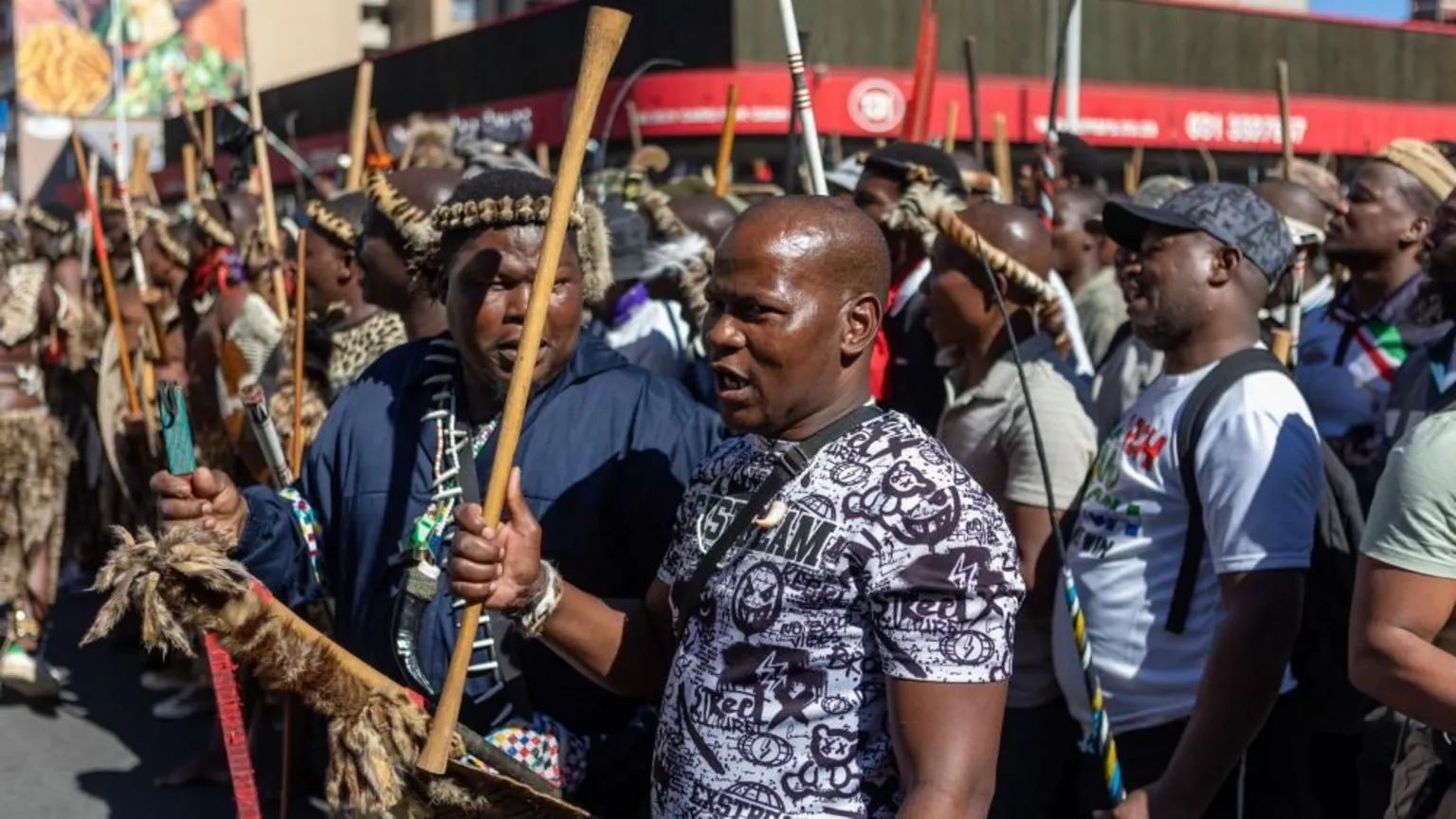
The evacuation forms part of a larger repatriation effort involving about 800 Ghanaians who registered to return home amid growing fears of xenophobic violence in parts of South Africa.
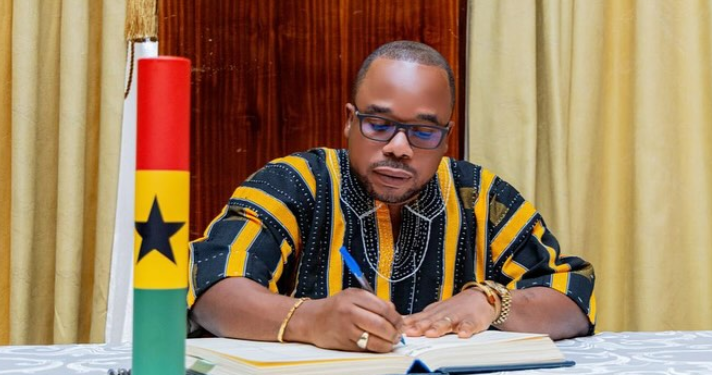
According to Ghana’s High Commissioner to South Africa, Benjamin Quashie, the government acted to protect its citizens after many reported feeling unsafe and unwelcome.
The flight left from OR Tambo International Airport carrying 297 passengers, including men, women and children. However, one mother and her two children were unable to travel because she did not have the children’s birth certificates.
Some returnees described living conditions in South Africa as increasingly tense. A Ghanaian businessman identified as Rudolph, who has lived in the country for a decade operating a salon, said he decided to leave because the recent protests had created fear and uncertainty.
“It’s no longer comfortable for us to stay here. We believe we’ll find peace back home,” he said, adding that the protests, which began in Durban and spread to other provinces, could eventually turn violent.
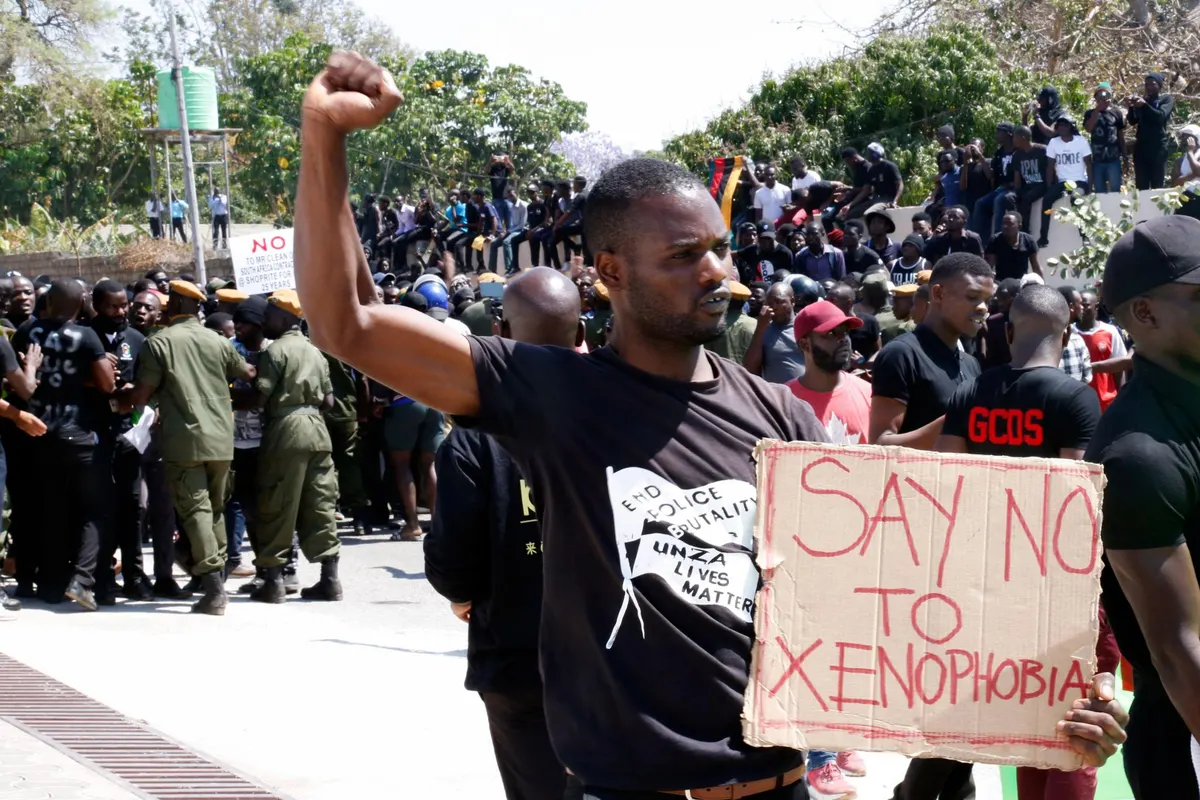
South Africa is home to an estimated 25,000 Ghanaians. Demonstrators involved in the recent protests claim undocumented immigrants are placing pressure on jobs and public services. The protests have largely been driven by a movement known as March and March, which is demanding stricter immigration controls and has given undocumented migrants until June 30 to leave the country.
Quashie explained that Ghana has developed a reintegration programme to support returning citizens. He said the government plans to help evacuees rebuild the businesses or livelihoods they previously operated in South Africa.
He also stressed that Ghana does not support illegal migration and believes assisting undocumented nationals to return home is part of responsible governance.
Analysts say the renewed anti-immigrant sentiment could be linked to South Africa’s upcoming local elections in November. The country has previously experienced deadly xenophobic attacks, including violence in 2008 that claimed 62 lives and unrest in 2019 that left at least 12 people dead.
Although organisers of the current demonstrations insist the protests have been peaceful, fear remains widespread among foreign nationals. In Durban, dozens of migrants have reportedly gathered outside offices handling refugee and asylum matters, seeking protection over threats linked to the June 30 deadline.
One Congolese migrant told local media that foreigners had repeatedly been warned they could be attacked if they remained in the country after the deadline.
Comments (0)
No comments yet. Be the first to share your thoughts!